





Sustainability / Compliance Management
TradeBeyond offers a comprehensive solution for social and environmental sustainability. Advanced traceability tools and carbon reduction solutions enhance transparency and reduce your environmental impact.


Factory Audit Management
Customize and streamline audit processes with configurable reports, real-time compliance data, and automated exception alerts.

Digitized Audits
Streamline factory and facility audit process using CBX’s mobile audit application, enabling auditors to capture audit detail including photos and videos effortlessly.
Flexible Audit Frameworks
Tailor your audit processes with fully customizable audit reports. Build your own checklists, adjust point values, and integrate photos and comments to guide auditors effectively.
Third Party Audit Databases
Seamless interfaces with amfori BSCI, WRAP, and other third-party auditing databases grant you effortless access to their audit results and reports.
Smart Alerts
Automated monitors keep track of suppliers and facilities’ audit exceptions and generate real-time alerts to compliance managers and other stakeholders.

Supply Chain Traceability Management
Map your entire supply chain with powerful traceability tools and manage chain of custody documentation to mitigate compliance risks.

Supply Chain Mapping
Centralize, manage, and gain visibility into the relationships between all suppliers, factories, and raw material providers to Nth-tier.
Supplier Document Submission
Enable suppliers to independently upload critical documents, which are automatically verified by the CBX AI engine against various databases.
AI Chain-of-Custody
CBX AI engine automatically checks the completeness of documents needed for chain-of-custody compliance.
Smart Alerts
Automatically notify stakeholders of compliance exceptions, including real-time alerts for black-listed suppliers or regions flagged under the UFLPA and other global regulations.

Carbon Tracking Management
Monitor and reduce supplier emissions with automated data collection, corrective action plans, and comprehensive reporting on Scope 3 carbon impacts.
Automated Data Collection
Simplify the routine gathering of critical data from factories and facilities needed to assess energy consumption and greenhouse gas emissions.
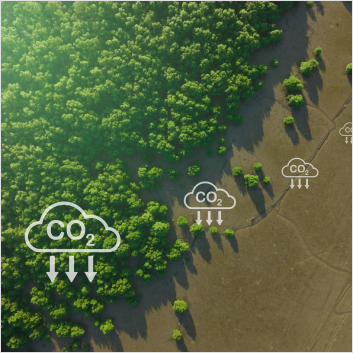
Carbon Calculation
Automatically compute energy consumption and greenhouse gas emissions following the model established by the Apparel Impact Institute and prominent retailers and brands.

Corrective Action Plans
Monitors corrective actions and promotes collaboration with suppliers and facilities to pursue improvements and ensure progress in reducing energy use and emissions.
Integrated Dashboard
User-friendly dashboards simplify the monitoring of Scope 3 emissions and energy consumption, as well as fugitive emissions from wastewater treatment.
Frequently asked questions
What is supply chain sustainability?
Supply chain sustainability refers to the integration of environmentally and socially responsible practices into the management of supply chains. It focuses on minimizing environmental harm, promoting fair labor practices, and ensuring ethical sourcing throughout every stage of the supply chain, from raw material procurement to product delivery.
At its core, supply chain sustainability seeks to balance economic performance with long-term ecological and societal health. Key practices include reducing carbon emissions, conserving natural resources, and preventing unethical labor practices such as forced labor. This often involves implementing ESG compliance measures and supply chain due diligence to meet regulatory requirements and consumer expectations.
Technology plays a vital role in enabling supply chain sustainability. Tools like supply chain sustainability software and ESG compliance software provide businesses with the visibility and data needed to identify inefficiencies, monitor supplier performance, and track environmental impact. TradeBeyond’s solutions, for example, integrate supply chain traceability and global sourcing capabilities, empowering businesses to achieve sustainable supply chain management.
Adopting sustainable practices enhances a company’s reputation, reduces risks, and supports global environmental goals. For businesses, it’s not just about compliance—it’s a strategic move to build resilience and foster trust in a competitive marketplace.
How does supply chain optimization software work?
Supply chain optimization software helps businesses streamline operations by providing tools to analyze and enhance various aspects of the supply chain. This software integrates data across multiple stages—procurement, manufacturing, distribution, and delivery—enabling companies to make informed decisions that improve efficiency and reduce costs.
Optimization tools focus on key areas such as demand forecasting, inventory management, and supplier performance. They use advanced analytics, machine learning, and automation to identify inefficiencies and suggest actionable improvements. For example, these systems might recommend better routing for shipments to reduce transit times or analyze sourcing data to find cost-effective and sustainable suppliers.
For businesses focused on ESG compliance, supply chain optimization software can incorporate sustainability metrics, such as carbon footprint tracking and ethical sourcing validations. This ensures that operational improvements align with broader goals of sustainable supply chain management.
By leveraging tools like TradeBeyond’s supply chain optimization solutions, companies gain real-time visibility into their global sourcing networks, enhance supplier collaboration, and maintain high standards of product quality management. Ultimately, this technology reduces waste, saves time, and supports a sustainable, resilient supply chain.
Why use supply chain sustainability software?
Supply chain sustainability software is essential for businesses seeking to meet regulatory requirements, align with consumer expectations, and reduce their environmental footprint. This technology helps organizations monitor and manage the environmental and social impacts of their supply chains, ensuring ethical practices and compliance with ESG standards.
These platforms provide visibility into key sustainability metrics, such as carbon emissions, water usage, and supplier certifications. They also enable companies to conduct supply chain due diligence, track the origins of raw materials, and identify areas where improvements can be made. For instance, supply chain traceability software can help ensure compliance with laws like the EU’s Corporate Sustainability Due Diligence Directive or the Uyghur Forced Labor Prevention Act.
TradeBeyond’s supply chain sustainability software integrates features like ESG compliance tracking and supplier relationship management, making it easier for businesses to collaborate with global suppliers and align with sustainability goals. Beyond compliance, these tools help companies build trust with stakeholders and customers by demonstrating transparency and ethical commitment.
Adopting supply chain sustainability software isn’t just a regulatory necessity—it’s a competitive advantage. Businesses that prioritize sustainability enhance operational resilience, attract eco-conscious customers, and contribute positively to global sustainability efforts.
How can the supply chain improve sustainability?
Improving sustainability within the supply chain requires a combination of technology, strategy, and collaboration. Key strategies include adopting sustainable sourcing practices, reducing resource consumption, and leveraging digital tools to monitor and optimize supply chain operations.
One of the most impactful steps is to implement supply chain sustainability software. This technology provides businesses with tools to track their carbon footprint, manage supplier certifications, and monitor compliance with ESG standards. For example, a company can use global sourcing software to identify suppliers who adhere to eco-friendly practices, ensuring sustainability from the start.
Another critical element is supply chain traceability, which offers visibility into every tier of the supply chain. By understanding where materials come from and how products are made, businesses can address risks like unethical labor or excessive waste.
Collaboration with suppliers is also essential. Establishing clear ESG goals and conducting regular factory audits ensures that all partners are aligned with sustainability objectives. Ultimately, improving sustainability is a continuous process that requires businesses to adapt to evolving regulations, technologies, and consumer expectations.
Can you provide an example of how supply chain sustainability can be improved?
A global apparel brand might aim to reduce its carbon footprint and improve traceability within its supply chain. The first step would involve adopting supply chain sustainability software to monitor carbon emissions at each stage of production. This technology could identify energy-intensive processes or suppliers using non-renewable resources.
Next, the company might leverage supply chain traceability software to map its supplier network. By understanding the origins of raw materials, the brand could partner with suppliers who follow sustainable practices, such as organic cotton producers or factories using renewable energy.
Finally, implementing ESG compliance software ensures ongoing monitoring and adherence to environmental and ethical standards. Regular factory audits and performance evaluations provide accountability, while collaboration with suppliers fosters continuous improvement.
This approach not only reduces environmental impact but also builds consumer trust and enhances the brand’s competitive edge in a sustainability-driven market.
Featured Resources


Consult with our Experts
Contact us today to learn how TradeBeyond can support your business’s needs and how our platform builds more efficient, responsible supply chains.